Origami templates
Paper sized and creased for folding: paper airplanes, fortune tellers, cups, helicopters, lucky stars, kusudama flowers, zines and accordion books.
Paper folding. These templates are the paper itself, cut to the size a model needs and marked with the creases it starts from. Print on patterned or coloured paper, cut on the outline, and fold.
 Lucky star stripsNo glue
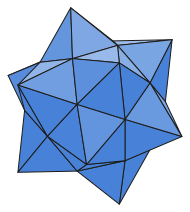 Kusudama flower ballNeeds glue
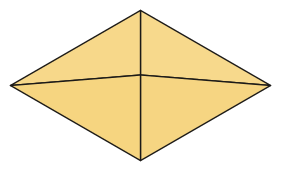 Origami crease sheetNo glue
 HexaflexagonNeeds glue
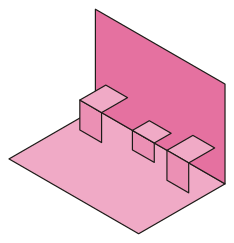 Pop-up cardNeeds glue
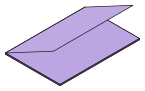 Mini zineNo glue
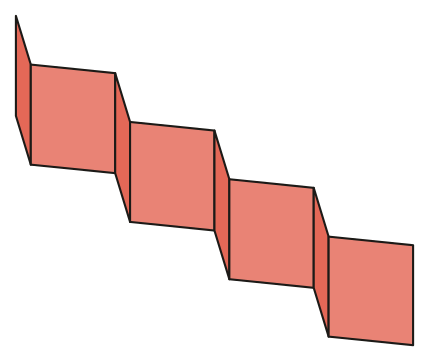 Accordion bookNeeds glue
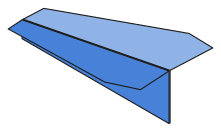 Paper airplaneNo glue
 Fortune tellerNo glue
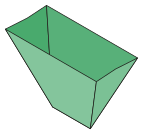 Origami cupNo glue
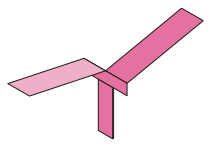 Paper helicopterNo glue
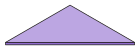 Corner bookmarkNo glue
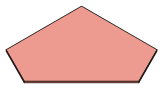 Origami dog faceNo glue
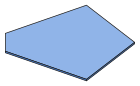 Origami tulipNeeds glue
 Sonobe unitNo glue
 Samurai helmetNo glue
Which one to make
First folds
Models with every fold printed and numbered on the paper, in the order you make them, so a child can follow along without a diagram: the paper airplane, the fortune teller, the drinking cup, the dog face, the tulip, the corner bookmark, the samurai helmet and the paper helicopter.
Paper airplane · Fortune teller · Origami cup · Origami dog face · Origami tulip · Corner bookmark · Samurai helmet · Paper helicopter
Projects that need many identical pieces
Lucky stars need dozens of strips, a kusudama ball needs sixty squares and a Sonobe ball at least six units. Cutting them by hand is where most of the time goes; here every sheet is filled edge to edge with pieces the same size, so you print, cut straight lines and start folding.
Lucky star strips · Kusudama flower ball · Sonobe unit
Books and paper that moves
A mini zine folds eight pages from one sheet with a single cut; an accordion book takes any number of pages; a pop-up card stands up steps when it opens; a hexaflexagon shows a hidden face each time you flex it. All four are good for school projects.
Mini zine · Accordion book · Pop-up card · Hexaflexagon
Folding your own models
The crease sheet prints a grid, a grid with diagonals or the common bases on a square of any size. Use it to learn a model from a book or video when you want the reference creases already in place.
Printing paper for folding
Print on thin paper, 70–100 gsm, and turn off any border or "fit to page" so the squares stay square. If you want patterned stars or flowers, print the pattern first, then feed the same sheet back in to print the template on the back.
Questions
Is it real origami if the paper is printed?
The folding is exactly the same — the print only saves you measuring and pre-creasing. Purists fold from an uncut square; these are for when you need forty identical strips or sixty squares the same size.
Which paper works best?
Thin paper: 70–100 gsm copier paper or origami paper. Card is too stiff to fold small models cleanly. Print a pattern on the paper first and the finished stars or flowers come out patterned.
Why do the crease sheets not show mountain and valley folds?
The sheets mark where every crease lies. Pre-crease each one both ways, so it can go either direction; which way each one finally folds comes from the model you are making.
Will they print at home?
Yes, on A4 or US Letter. Strips and squares are laid out to fill each sheet, and the number of pages is shown before you print.
Decor templates · Looking for packaging? All 126 box templates.